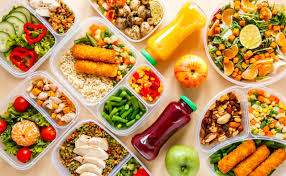
Healthy eating is often associated with expensive groceries, specialty products, and premium ingredients. Many people believe that eating clean requires a large budget, but the reality is very different. With the right approach, you can enjoy nutritious, wholesome meals without straining your wallet. Budget-friendly healthy cooking is about smart planning, strategic shopping, and using simple ingredients creatively. By understanding how to maximize value while maintaining nutrition, you can fuel your body, improve your overall health, and save money at the same time.
Eating clean on a budget is not about sacrificing flavor or variety. Instead, it focuses on building meals around affordable staples like beans, lentils, eggs, vegetables, whole grains, and seasonal produce. These foods are not only inexpensive but also incredibly nutritious and versatile. When paired with thoughtful preparation and meal planning, they can create delicious meals that support weight loss, energy, and long-term wellness.
Healthy Eating Doesn’t Have to Be Expensive
Many people assume that healthy eating requires purchasing organic items, exotic ingredients, or high-priced superfoods. However, the foundation of a nutritious diet has always been simple, whole foods most of which are budget-friendly.
Affordable and nutritious ingredients include:
-
Lentils and beans
-
Eggs
-
Carrots, onions, potatoes
-
Bananas, apples, seasonal fruits
-
Brown rice, oats, and whole grains
-
Frozen vegetables
-
Canned tomatoes
-
Chicken thighs instead of chicken breast
These foods offer essential vitamins, minerals, fiber, and protein without the high price tag. The myth that healthy eating is expensive comes from marketing—not reality.
Start with Smart Meal Planning
Planning your meals ahead of time is the most effective strategy for eating healthy on a budget. When you buy foods without a plan, you’re more likely to overspend or purchase items you don’t need.
Steps for Smart Budget Meal Planning
-
Create a weekly meal plan Breakfast, lunch, dinner, and snacks.
-
Write a detailed shopping list Stick to items you will actually use.
-
Cook in batches Meal prep reduces time and money spent on takeout.
-
Avoid impulse purchases They add up quickly and often aren’t nutritious.
Planning also allows you to combine similar ingredients across multiple meals, minimizing waste and stretching your budget further.
Buy Ingredients That Give the Most Value
Some foods offer more nutritional value per dollar than others. These “high-value foods” should be the foundation of your meals when eating on a budget.
Examples of High-Value Healthy Foods
-
Oats: Extremely affordable, high in fiber, perfect for breakfast.
-
Eggs: One of the cheapest sources of protein.
-
Beans & Lentils: Rich in protein and fiber, excellent for soups and stews.
-
Frozen Vegetables: Same nutrients as fresh but significantly cheaper.
-
Brown Rice & Whole Grains: Affordable and filling.
-
Canned Fish (tuna/salmon): High in protein and omega-3s.
-
Chicken Thighs: Cheaper and more flavorful than chicken breast.
By focusing on these items, you can create meals that are satisfying, balanced, and budget-friendly.
Healthy Budget Recipes Inspired by Simple Ingredients
Below are three easy and affordable recipes that focus on whole foods while keeping costs low.
Recipe 1: Lentil Vegetable Stew
Ingredients:
-
1 cup lentils
-
Carrots, onions, potatoes
-
Garlic
-
Vegetable broth or water
-
Salt, pepper, paprika
How to Make:
Sauté onions and garlic, add chopped vegetables, lentils, and broth. Cook until tender.
Why It’s Budget-Friendly:
Lentils are cheap, filling, and protein-rich. Vegetables add nutrients and volume.
Recipe 2: Egg & Vegetable Skillet
Ingredients:
-
3 eggs
-
Spinach, tomatoes, onions
-
Salt, pepper
How to Make:
Cook vegetables in a non-stick pan and add beaten eggs. Cook until firm.
Why It’s Budget-Friendly:
Eggs cost little but offer excellent protein. Vegetables enhance nutrition.
Recipe 3: Rice and Bean Burrito Bowl
Ingredients:
-
Brown or white rice
-
Black beans or kidney beans
-
Corn, tomatoes
-
Chili powder, lime
How to Make:
Combine cooked rice, beans, and vegetables. Season with spices and lime.
Why It’s Budget-Friendly:
Beans and rice are cheap staples with long shelf lives.
Use Seasonal Produce for Maximum Savings
Seasonal fruits and vegetables are significantly cheaper than out-of-season produce. They also taste fresher and contain more nutrients.
Benefits of Seasonal Foods
-
More flavor
-
Higher vitamin content
-
Lower grocery cost
-
Supports local farmers
Research which fruits and vegetables are in season in your region, and plan your meals around them. For example, leafy greens may be cheaper in winter, while berries are more affordable in summer.
Buy Generic Brands Instead of Premium Labels
Generic or store-brand options often have the same ingredients as name-brand products at a fraction of the cost.
Products to Always Buy Generic
-
Oats
-
Rice
-
Beans
-
Canned vegetables
-
Flour, sugar, salt
-
Frozen fruits and vegetables
-
Spices
When cooking healthy meals, the flavor usually comes from preparation—not packaging or branding.
Cook Large Batches and Use Leftovers Creatively

Batch cooking saves time and money by reducing waste and minimizing daily cooking needs.
Ideas for Repurposing Leftovers
-
Turn roasted vegetables into a soup
-
Use leftover rice for fried rice
-
Add cooked chicken to wraps or salads
-
Make a vegetable omelet with leftover produce
Leftovers can easily be transformed into new meals, preventing boredom and saving money.
Reduce Waste by Storing Food Properly
Proper storage extends the life of your groceries, helping you save money and reduce waste.
Storage Tips
-
Keep vegetables in airtight containers
-
Freeze extra fruits for smoothies
-
Store dry goods in sealed jars
-
Freeze bread to prevent mold
Every dollar saved from reduced waste goes directly back into your budget.
Use Spices to Make Simple Meals Exciting
Healthy meals don’t have to be bland. Spices elevate flavor and transform low-cost ingredients into delicious dishes.
Budget-Friendly Spices That Make a Difference
-
Garlic powder
-
Paprika
-
Chili flakes
-
Cumin
-
Oregano
-
Black pepper
-
Curry powder
A few spices can make rice, beans, or eggs taste completely different from one meal to the next.
Buy in Bulk When Possible
Buying staples like rice, oats, beans, and pasta in bulk saves money in the long run. These items have long shelf lives and can be used in multiple meals.
Best Foods to Buy in Bulk
-
Dry lentils and beans
-
Whole grains
-
Frozen vegetables
-
Flour and oats
-
Nuts and seeds (when available on sale)
Bulk shopping reduces cost per serving and helps you build a healthy pantry.
Limit Processed Snacks and Sugary Foods
Processed foods like chips, cookies, soda, and convenience meals are often expensive and low in nutritional value. Cutting down on these items frees up money for healthier ingredients.
Instead, replace them with:
-
Fresh fruit
-
Homemade popcorn
-
Yogurt
-
Nuts (portion-controlled)
-
Hard-boiled eggs
These options are more satisfying and nourish your body better.
Eating Healthy on a Budget Is Completely Possible
Eating clean doesn’t require an unlimited budget it requires smart planning, strategic shopping, and using affordable whole ingredients creatively. By focusing on high-value foods like lentils, eggs, rice, beans, oats, and seasonal produce, you can build nutritious meals without overspending. Cooking at home, meal prepping, using leftovers wisely, and relying on herbs and spices allow you to enjoy delicious, healthy dishes while saving money.
With these strategies, eating healthy becomes not only affordable but enjoyable. Once you embrace simple ingredients and mindful cooking, you’ll discover that eating clean on a budget can be just as satisfying and flavorful as any expensive meal plan.