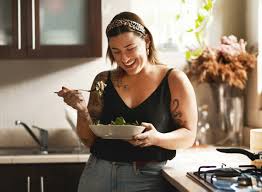
In today’s fast paced world, many people are searching for ways to improve their eating habits without feeling deprived. Consuming fewer calories is often associated with restriction, hunger, and frustration. However, when approached strategically, it is possible to eat more food, feel satisfied, and still support health goals. This concept is especially important for individuals interested in low calorie cooking tips that are realistic and sustainable.
Consuming the right types of foods plays a major role in how full and energized you feel throughout the day. Rather than focusing only on reducing portion sizes, a smarter approach looks at food volume, nutrient density, and preparation methods. By understanding how different foods affect hunger and fullness, you can make better decisions that support long term well being.
This article provides an informative and objective analysis of the key factors that impact Consuming fewer calories while still enjoying larger, satisfying meals. It explores practical cooking strategies, common challenges, and important tradeoffs involved in balancing flavor, nutrition, and calorie intake. The goal is to help readers make informed choices that fit into everyday life.
Understanding the Relationship Between Volume and Calories
One of the most important principles in low calorie cooking is understanding the difference between food volume and calorie density. Some foods provide a large volume with relatively few calories, while others are small in size but high in energy. When Consuming meals, this distinction can dramatically affect how full you feel.
Vegetables, fruits, and broth based dishes are examples of high volume, low calorie foods. These foods contain a high amount of water and fiber, which adds bulk without significantly increasing calorie intake. On the other hand, foods high in fat or sugar tend to be calorie dense, meaning they provide many calories in a small portion.
The tradeoff here involves satisfaction and taste preferences. While calorie dense foods can be enjoyable, relying on them too often may make it harder to maintain a lower calorie intake. Balancing volume rich foods with flavorful ingredients allows you to enjoy meals while consuming fewer calories overall.
The Role of Cooking Methods in Calorie Control
How food is prepared has a significant impact on calorie content. Cooking methods such as grilling, steaming, baking, and sautéing with minimal oil help reduce unnecessary calories. When Consuming meals prepared with lighter techniques, you often get the same flavors with fewer added fats.
Frying and heavy cream based sauces can quickly increase calorie intake, even if portion sizes remain small. Choosing alternative methods requires some adjustment, but it does not mean sacrificing taste. Herbs, spices, citrus, and aromatics can enhance flavor without adding calories.
The challenge many people face is habit. Traditional cooking methods are often passed down culturally or learned early in life. Shifting toward lower calorie techniques may feel unfamiliar at first. However, with practice, these methods become second nature and support healthier Consuming patterns.
Ingredients That Support Eating More for Less
Ingredient selection is a key factor in eating larger portions while consuming fewer calories. Foods rich in fiber and protein are particularly helpful because they promote fullness and slow digestion. When meals are built around these components, hunger is easier to manage.
Lean proteins such as chicken breast, fish, legumes, and tofu provide structure and satiety without excessive calories. Fiber rich vegetables like leafy greens, broccoli, zucchini, and cauliflower add bulk and texture to meals. Whole grains, when used in moderate amounts, contribute to fullness and sustained energy.
There is a tradeoff between convenience and nutritional value. Highly processed low calorie foods may save time but often lack the nutrients that promote lasting fullness. Whole ingredients require more preparation but provide better long term benefits when Consuming balanced meals.
Portion Perception and Plate Composition
How food is presented can influence how much you eat and how satisfied you feel. Larger portions of low calorie foods can make meals appear more abundant, which supports psychological satisfaction. This is an important factor when Consuming fewer calories without feeling deprived.
Filling half of your plate with vegetables is a common strategy in low calorie cooking. This approach increases volume while keeping calories in check. Proteins and carbohydrates can then be added in appropriate portions to complete the meal.
The challenge lies in adjusting expectations. Many people are used to plates dominated by calorie dense foods. Shifting toward volume based eating requires a mindset change, but over time it can improve both satisfaction and control.
Managing Hunger Through Smart Meal Timing
When and how often you eat also affects how much you consume overall. Skipping meals can lead to intense hunger, which increases the likelihood of overeating later. Regular, balanced meals support stable blood sugar levels and reduce impulsive Consuming.
Low calorie cooking works best when meals are spaced throughout the day and include adequate protein and fiber. This combination helps control appetite and reduces cravings. Soups, salads, and vegetable heavy dishes are particularly useful for managing hunger between meals.
A common tradeoff is time versus planning. Preparing meals in advance requires effort but reduces the temptation to choose high calorie convenience foods. Thoughtful planning supports consistent, mindful Consuming habits.
Flavor Enhancement Without Extra Calories
One of the biggest concerns about low calorie cooking is the fear of bland food. Flavor plays a critical role in satisfaction, and meals that lack taste are unlikely to be sustainable. Fortunately, there are many ways to enhance flavor without adding significant calories.
Spices, herbs, garlic, onions, vinegar, and citrus juices add depth and complexity to dishes. Techniques such as roasting vegetables can bring out natural sweetness without added fats. These methods allow you to enjoy meals fully while still consuming less.
The challenge is learning how to use these tools effectively. Flavor building takes practice, but it empowers you to create enjoyable meals that align with your goals. Over time, your palate may even become more sensitive to natural flavors, making high calorie additions less necessary.
Psychological Aspects of Consuming Less
Eating is not only a physical activity but also an emotional and psychological one. Feeling restricted can trigger overeating or dissatisfaction. Low calorie cooking should support a positive relationship with food rather than reinforce guilt or anxiety.
Allowing flexibility is important. Completely eliminating favorite foods may backfire, leading to cravings and loss of control. Including small portions of enjoyable items within a balanced meal plan helps maintain consistency.
The key challenge is balance. Being too strict can harm motivation, while being too relaxed may slow progress. Finding a middle ground supports healthy Consuming patterns that are easier to maintain over time.
Common Challenges in Low Calorie Cooking

Many people struggle with time constraints, limited cooking skills, or lack of access to fresh ingredients. These challenges can make low calorie cooking feel unrealistic. Acknowledging these barriers is essential for creating practical solutions.
Simple recipes with minimal ingredients can reduce overwhelm. Frozen vegetables and canned legumes are affordable, convenient options that still support low calorie Consuming. These choices help bridge the gap between ideal plans and real life conditions.
Another challenge is social situations. Eating out or attending gatherings often involves calorie dense foods. Developing strategies such as mindful portioning or focusing on lighter options helps maintain balance without feeling excluded.
The Importance of Long Term Sustainability
When making decisions about low calorie cooking, it is essential to consider long term impact. Short term restriction may produce quick results, but it is rarely sustainable. Consuming fewer calories should be part of a lifestyle that supports health, enjoyment, and flexibility.
Sustainable approaches focus on habits rather than rules. Learning how to cook lighter versions of familiar meals makes it easier to stay consistent. Over time, these habits become part of your routine rather than a temporary effort.
The tradeoff between speed and sustainability is significant. Slow, steady changes are more likely to last and produce meaningful benefits. This perspective encourages patience and self awareness.
Making Low Calorie Cooking Accessible
Accessibility is a crucial factor in successful dietary change. Low calorie cooking should not require expensive ingredients or specialized equipment. Simple tools and basic cooking techniques are often sufficient.
Education plays an important role. Understanding why certain foods are filling and how cooking methods affect calories empowers better decision making. This knowledge supports confident Consuming choices in a variety of situations.
By focusing on practicality and inclusivity, low calorie cooking becomes achievable for a wider audience. This approach supports healthier communities and more informed eating habits.
Conclusion
Eating more while consuming less is not a contradiction but a skill that can be learned. Through thoughtful ingredient choices, smart cooking methods, and attention to portion composition, it is possible to enjoy satisfying meals without excessive calories. Low calorie cooking tips provide a framework for balancing enjoyment and health.
The key factors that impact Consuming fewer calories include food volume, nutrient density, preparation techniques, and psychological satisfaction. Each factor involves tradeoffs that must be balanced based on individual needs and lifestyles. Understanding these tradeoffs allows for more informed and flexible decisions.
Ultimately, low calorie cooking is about creating habits that support long term well being. By focusing on sustainability, flavor, and practicality, you can build a positive relationship with food and make Consuming less feel natural rather than restrictive.