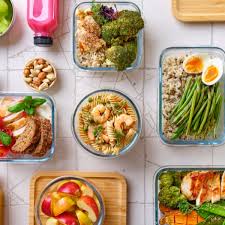
Healthy eating often feels overwhelming, especially for beginners juggling busy schedules. Meal Prep has emerged as one of the most effective solutions for people who want to eat better without spending hours in the kitchen every day. By planning and preparing meals in advance, you can take control of your nutrition, reduce stress, and make healthier choices more consistently at nosyvoyages.com.
For beginners, Meal Prep is not about perfection or rigid routines. It is about creating simple systems that fit your lifestyle and help you stay on track. Whether your goal is weight management, improved energy, or simply eating more home cooked food, Meal Prep provides a foundation for long term success. With the right approach, it becomes less of a chore and more of a supportive habit.
Understanding how Meal Prep works and why it matters is the first step toward building a balanced week. This article explores practical strategies, benefits, challenges, and tradeoffs involved in meal planning and preparation. Written in a professional and easy to read tone, it is designed to help beginners feel confident and informed as they start their Meal Prep journey.
Understanding Meal Prep and Why It Matters
Meal Prep refers to the practice of planning, preparing, and storing meals or meal components ahead of time. This can range from chopping vegetables and cooking grains to fully portioned meals ready to eat throughout the week. For beginners, the main value of Meal Prep lies in its simplicity and predictability.
One of the biggest advantages is consistency. When healthy meals are already prepared, you are less likely to rely on fast food or processed snacks. This consistency supports better nutrition and helps maintain stable energy levels. Meal Prep also reduces daily decision making, which can be mentally exhausting after a long day.
From a practical perspective, Meal Prep helps you manage time more effectively. Cooking in batches often takes less total time than preparing meals every day. It also encourages mindful grocery shopping, reducing food waste and unnecessary spending. These combined benefits make Meal Prep a powerful tool for anyone starting a healthier lifestyle.
The Role of Planning in a Balanced Week
Planning is the backbone of successful Meal Prep. Without a plan, it is easy to feel lost or unmotivated. For beginners, planning does not need to be complex. A simple outline of meals for the week is often enough to get started.
Effective planning involves considering your schedule, preferences, and nutritional needs. For example, busy weekdays may require quick, reheatable meals, while weekends might allow for fresher cooking. Balancing convenience with nutrition is a key tradeoff in Meal Prep planning.
Another important factor is flexibility. While planning provides structure, leaving room for adjustments prevents frustration. Beginners often struggle when plans feel too strict. A balanced approach allows you to swap meals or ingredients without feeling like you have failed.
Choosing the Right Foods for Beginners
Selecting the right foods is essential for sustainable Meal Prep. Beginners benefit most from simple, familiar ingredients that are easy to prepare and store well. Complex recipes may look appealing but can quickly lead to burnout.
Whole foods such as lean proteins, whole grains, fruits, and vegetables form the foundation of healthy Meal Prep. These foods provide essential nutrients and keep you feeling full longer. However, there is a tradeoff between freshness and convenience. Fresh produce is nutritious but may spoil faster, while frozen options offer longer shelf life with minimal nutritional loss.
It is also important to consider taste and enjoyment. Meal Prep should support healthy eating, not make it feel restrictive. Including a variety of flavors and textures increases satisfaction and reduces the temptation to abandon your plan.
Portion Control and Nutritional Balance
One of the key benefits of Meal Prep is improved portion control. Preparing meals in advance allows you to decide portion sizes intentionally rather than eating reactively. This is particularly helpful for beginners who are still learning to listen to their hunger cues.
A balanced meal typically includes protein, carbohydrates, and healthy fats. Meal Prep makes it easier to maintain this balance across the week. For example, pairing grilled chicken with whole grains and vegetables creates a nutritionally complete meal.
The challenge lies in avoiding extremes. Overly strict portion control can lead to hunger and frustration, while overly large portions may counter health goals. Finding the right balance requires attention and adjustment, especially in the early stages of Meal Prep.
Time Management and Efficiency
Time management is one of the main reasons people turn to Meal Prep. By dedicating a specific time to prepare meals, you free up mental and physical energy during the week. For beginners, starting with a short prep session is often more sustainable than spending an entire day cooking.
Batch cooking is a common strategy that improves efficiency. Cooking larger quantities of staple foods such as rice, beans, or roasted vegetables saves time and effort. These components can then be mixed and matched to create different meals.
However, efficiency can sometimes conflict with variety. Eating the same meal repeatedly may save time but reduce enjoyment. Balancing efficiency with diversity is an ongoing challenge in Meal Prep, and finding your personal comfort level is key.
Storage, Safety, and Freshness
Proper storage is critical for safe and effective Meal Prep. Using airtight containers helps maintain freshness and prevents contamination. Clear containers also make it easier to see what you have prepared, reducing the risk of forgotten meals.
Food safety should always be a priority. Meals should be cooled properly before refrigeration and consumed within a reasonable timeframe. Beginners often underestimate how long foods stay fresh, which can lead to waste or health risks.
There is also a balance between preparing meals too far in advance and preparing too frequently. While some foods last several days, others are best prepared closer to consumption. Understanding these differences improves both safety and satisfaction in Meal Prep.
Adapting Meal Prep to Different Lifestyles
Meal Prep is not a one size fits all solution. Different lifestyles require different approaches. For example, someone working from home may have more flexibility than someone commuting long hours. Recognizing these differences is essential for long term success.
Dietary preferences and cultural habits also play a role. Meal Prep should respect personal tastes and traditions. Adapting familiar recipes into healthier versions often works better than adopting completely new eating patterns.
The main challenge is avoiding comparison. Beginners may feel discouraged when their Meal Prep does not look as polished as others. Focusing on functionality rather than appearance helps maintain motivation and confidence.
Common Challenges and How to Overcome Them

Beginners often face similar challenges when starting Meal Prep. Lack of motivation, limited time, and uncertainty about what to cook are common obstacles. Acknowledging these challenges helps you address them realistically.
One effective strategy is starting small. Preparing just one or two meals in advance builds confidence without overwhelming effort. Gradually increasing complexity allows skills and habits to develop naturally.
Another challenge is boredom. Repeating meals too often can reduce enjoyment. Rotating ingredients, experimenting with seasonings, and trying new recipes occasionally can keep Meal Prep interesting while maintaining structure.
The Impact of Meal Prep on Long Term Health
Meal Prep has a significant impact on long term health when practiced consistently. It supports balanced nutrition, reduces reliance on processed foods, and encourages mindful eating. Over time, these habits contribute to improved energy levels and overall well being.
From a behavioral perspective, Meal Prep reinforces intentional decision making. Instead of reacting to hunger with whatever is available, you make choices aligned with your goals. This shift in mindset is often as valuable as the nutritional benefits.
It is important to consider sustainability when making decisions about Meal Prep. Extreme routines are difficult to maintain. A moderate, flexible approach increases the likelihood of long term success and positive health outcomes.
Making Meal Prep Easier and More Enjoyable
Enjoyment is a critical factor in maintaining any healthy habit. Meal Prep becomes easier when it aligns with your preferences and routine. Playing music while cooking or involving family members can make the process more enjoyable.
Using simple tools such as slow cookers or sheet pan recipes reduces effort and cleanup. These methods support efficiency without sacrificing nutrition. For beginners, reducing complexity often leads to better consistency.
The tradeoff between convenience and control is worth considering. While pre packaged options save time, homemade Meal Prep offers greater control over ingredients. Finding the right balance depends on your priorities and resources.
Building Confidence as a Beginner
Confidence grows with practice. Each successful week of Meal Prep reinforces the habit and reduces uncertainty. Beginners should focus on progress rather than perfection.
Tracking what works and what does not can be helpful. Adjusting portion sizes, ingredients, or prep frequency based on experience leads to better results over time. This reflective approach supports continuous improvement.
Most importantly, Meal Prep should serve your life, not dominate it. When it feels supportive rather than restrictive, it becomes a sustainable part of a balanced week.
Conclusion
Meal Prep is a practical and effective strategy for beginners seeking healthier eating habits. By focusing on planning, simplicity, and balance, it becomes easier to manage nutrition and time throughout the week. Understanding the tradeoffs involved, such as convenience versus variety or efficiency versus freshness, helps you make informed decisions.
A balanced approach to Meal Prep supports long term health and well being. It encourages mindful choices, reduces stress, and creates structure without rigidity. For beginners, starting small and staying flexible are the keys to success.
With consistent practice and thoughtful adjustments, Meal Prep can transform the way you approach food and daily routines. Simple strategies truly can lead to a more balanced and healthier week.