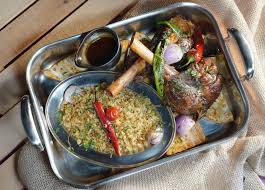
Healthy cooking has evolved into a lifestyle trend embraced by millions around the world. While many people assume that healthy recipes lack flavor, the truth is that some of the most celebrated cuisines globally can be transformed into nutritious, balanced meals simply by adjusting a few ingredients and cooking methods. You don’t need to give up your favorite comfort foods; you only need to reimagine them with smarter, lighter, and more nutrient-dense choices.
Healthy cooking with a modern twist isn’t about restriction it’s about balance, creativity, and intention. By blending classic culinary traditions with contemporary nutritional knowledge, you can enjoy meals that are flavorful, satisfying, and excellent for long-term wellness. This approach keeps your diet varied, exciting, and sustainable while helping you maintain or reach your health goals.
Traditional Cooking as a Strong Foundation for Healthy Eating
Most traditional cuisines already include elements that are naturally healthy. Fresh vegetables, whole grains, lean proteins, and herbs form the basis of many classic dishes. Generations before us relied on real, whole foods—long before processed products became common.
Many traditional foods offer:
-
Naturally balanced combinations of proteins and carbohydrates
-
Vegetable-heavy stews and soups
-
Simple, slow cooking methods
-
Clean flavors using herbs, not heavy sauces
-
Whole grains like rice, oats, barley, and millet
Therefore, modernizing traditional meals doesn’t mean changing what you eat but improving how you prepare it.
Small adjustments like reducing oil, swapping refined grains for whole grains, or replacing heavy creams with yogurt can dramatically boost nutritional value without altering the essence of the dish.
Choosing Leaner Proteins for Modern Healthy Meals
Protein is essential for maintaining muscle mass, improving satiety, and supporting metabolic health. Many traditional recipes feature meat, but modern healthy cooking focuses on using leaner cuts or plant-based alternatives.
Best Lean Protein Options
-
Skinless chicken breast
-
Turkey breast
-
Fish (salmon, cod, tuna, tilapia)
-
Eggs
-
Beans & lentils
-
Chickpeas
-
Tofu or tempeh
If a classic recipe calls for heavy meats like lamb or fatty beef, replacing them with chicken or turkey immediately reduces the calorie load. Plant proteins can also replicate meat textures in stews, stir-fries, and bowls.
Grilling, baking, steaming, boiling, and air-frying are healthier cooking methods compared to deep frying. These techniques create the same satisfying flavor profile while significantly lowering fat intake.
Making Vegetables the Star of Your Plate
One of the easiest and most effective ways to modernize traditional dishes is to increase the vegetable content. Vegetables add volume, fiber, antioxidants, and essential nutrients—while remaining low in calories.
How to Add More Vegetables to Meals
-
Add 2–3 extra vegetables to any stew or soup
-
Roast vegetables instead of frying them
-
Use vegetables as a base for bowls and salads
-
Replace half the rice or pasta with steamed veggies
-
Try cauliflower rice or spiralized zucchini
-
Add leafy greens to omelets, wraps, stir-fries, and sandwiches
The idea is simple: the more vegetables you add, the more filling and nutritious your meals become, without adding unnecessary calories.
Modern Healthy Recipes Inspired by Classic Cooking
Below are simple, flavorful recipes inspired by traditional cooking but modernized for better health and lower calories.
Recipe 1: Oven-Baked Herb Chicken
Ingredients:
-
400g chicken breast
-
Olive oil (1 tbsp)
-
Garlic, paprika, rosemary, pepper
-
Lemon juice
-
Vegetables of choice
How to Make:
Marinate chicken with herbs, spices, and lemon juice. Bake at 200°C for 20–25 minutes. Serve with steamed vegetables or whole grains.
Why It’s Healthier:
Baking reduces oil use, while lean protein keeps calories under control. Herbs add strong flavor without the need for creamy sauces.
Recipe 2: Lentil & Vegetable Power Bowl
Ingredients:
-
1 cup cooked lentils
-
Spinach or kale
-
Tomatoes
-
Cucumbers
-
Olive oil (1 tsp)
-
Lemon and herbs
How to Make:
Mix lentils with chopped vegetables, herbs, and a splash of lemon. Optional: add quinoa or brown rice for extra energy.
Why It’s Healthier:
Lentils are packed with protein and fiber. Combined with fresh vegetables, they create a filling, nutritious bowl.
Recipe 3: Light Veggie Omelet
Ingredients:
-
2 eggs + 2 egg whites
-
Mushrooms
-
Tomatoes
-
Spinach
-
Salt, pepper
How to Make:
Cook vegetables in a non-stick pan. Add beaten eggs and cook until firm.
Why It’s Healthier:
Using egg whites lowers calories while increasing protein, and vegetables add nutrients and volume.
Reducing Oil Without Losing Flavor

Traditional recipes often use more oil than necessary. While oil adds richness, it is calorie-dense. Modern cooking methods help enhance flavor without depending on oil.
Smart Tips for Using Less Oil
-
Use non-stick cookware
-
Measure oil instead of pouring
-
Use olive oil sprays
-
Replace oil with broth or water when sautéing
-
Roast vegetables lightly brushed instead of soaking them
These simple strategies dramatically reduce calories without compromising taste.
Choosing Whole Grains for Better Nutrition
Traditional diets typically include bread, rice, or pasta. Modern healthy cooking encourages whole-grain versions.
Whole-Grain Alternatives
-
Brown rice instead of white rice
-
Whole-wheat pasta instead of regular pasta
-
Oats instead of sugary cereals
-
Quinoa bowls
-
Whole-grain tortillas or flatbreads
Whole grains contain more fiber, improving digestion and helping control appetite.
Creating Healthy Desserts with Modern Adjustments
Desserts can also be modernized to fit a healthier lifestyle. Instead of eliminating them altogether, simply modify ingredients.
Healthier Dessert Options
-
Greek yogurt with fruit and honey
-
Baked apples with cinnamon
-
Dark chocolate (70% or higher)
-
Oatmeal cookies with natural sweeteners
-
Fruit parfaits
-
Smoothie bowls
These desserts satisfy sweet cravings without causing sugar spikes.
Using Herbs, Spices, and Natural Flavor Boosters
Modern healthy cooking relies heavily on herbs and spices rather than butter, cream, or heavy sauces.
Great Flavor Enhancers
-
Lime or lemon juice
-
Garlic
-
Ginger
-
Cilantro, parsley, or basil
-
Chili flakes
-
Smoked paprika
-
Oregano and thyme
-
Fresh mint
-
Vinegar or mustard
These ingredients elevate flavor while keeping calories low.
Meal Prep: A Modern Essential for Healthy Eating
Modern life is busy, making healthy choices harder. Meal prepping bridges this gap by ensuring you always have nutritious meals ready.
Benefits of Meal Prep
-
Saves time
-
Reduces daily cooking stress
-
Prevents unhealthy food choices
-
Helps control portions
-
Saves money
Prepare grains, protein, and vegetables ahead of time and store them in airtight containers. This makes healthy eating effortless throughout the week.
Conclusion: Embracing Healthier Cooking Without Losing Tradition
Healthy cooking with a modern twist allows you to enjoy familiar, comforting flavors without compromising your health. By choosing leaner proteins, using more vegetables, swapping refined grains for whole grains, reducing oil, and experimenting with herbs and spices, you can create meals that are both nutritious and delicious.
The goal isn’t to abandon traditional cooking it’s to upgrade it. With simple changes, you can build a sustainable eating style that combines the richness of classic flavors with the benefits of modern nutritional science.